
About MINE
From a handful of local spaces in 1980s Germany to over 1,000 centers worldwide — Mother Centers empower families, rebuild communities, and make care visible.
1

The story of Mother Centers began in the early 1980s in Germany, as a grassroots response to the growing isolation of mothers in modern society. At a time when traditional family structures were shifting and communities were becoming less connected, a bold idea emerged: to create open, welcoming spaces where mothers and families could find mutual support, share everyday experiences, and build meaningful relationships.
2

From these beginnings, the Mother Center concept quickly spread — first throughout Germany, then across Europe and beyond. Driven by the principle that “it takes a village to raise a child,” Mother Centers began appearing in diverse settings: from small local cafés to multi-service hubs offering childcare, skills training, and advocacy. Despite different shapes and names, they shared a common vision: to empower families, rebuild local communities, and bring the culture of care into public life.
From these beginnings, the Mother Center concept quickly spread — first throughout Germany, then across Europe and beyond. Driven by the principle that “it takes a village to raise a child,” Mother Centers began appearing in diverse settings: from small local cafés to multi-service hubs offering childcare, skills training, and advocacy. Despite different shapes and names, they shared a common vision: to empower families, rebuild local communities, and bring the culture of care into public life.
2
3

To connect and amplify these efforts, MINE — the Mother Centers International Network for Empowerment — was founded. MINE strengthens solidarity among centers, supports knowledge exchange, and advocates for family-friendly policies on a global scale. In 2002, MINE received the UN-Habitat Dubai Award for Best Practices, recognizing its impact in revitalizing neighborhoods and giving grassroots women a voice in public life.
4
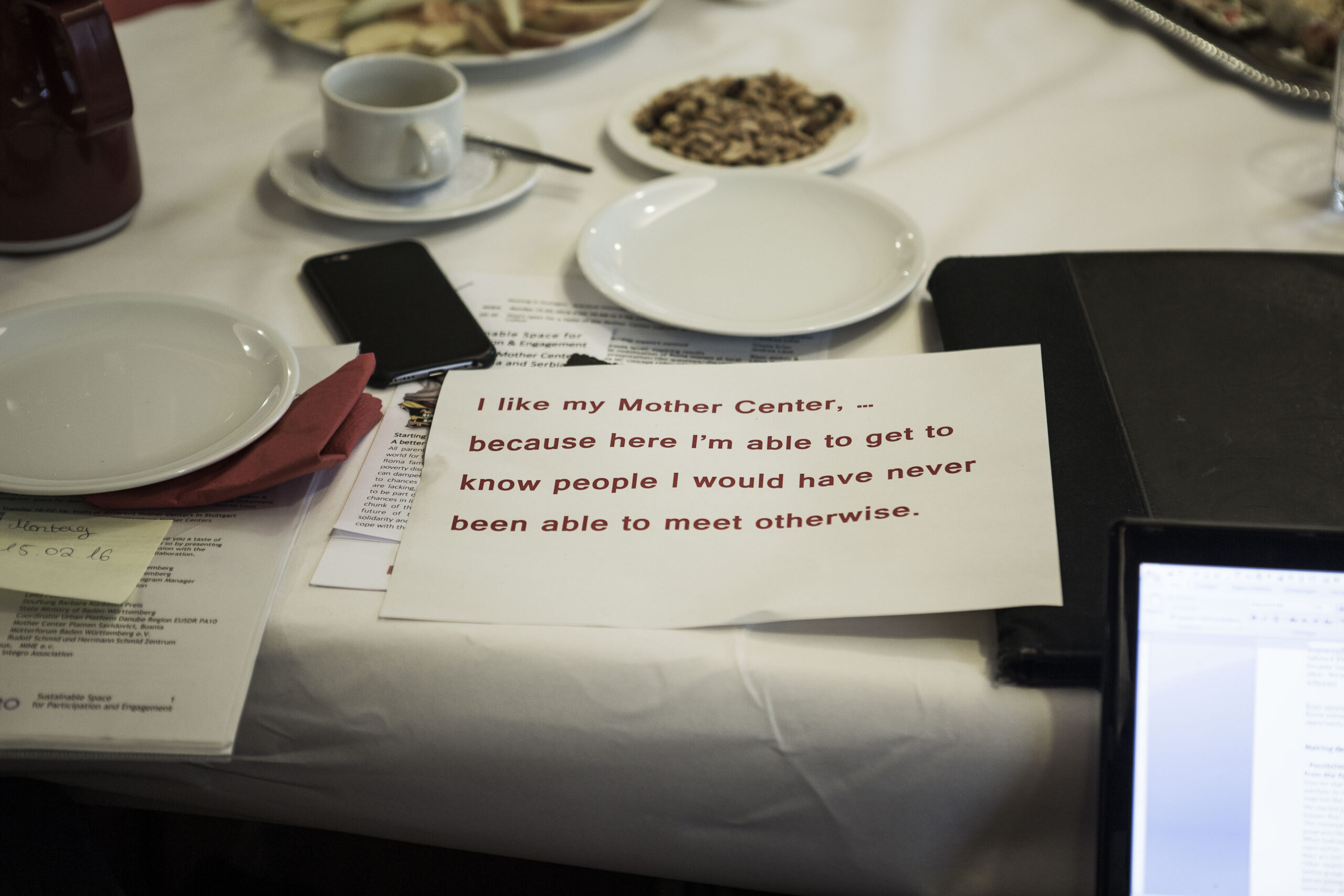
From the first mothers’ groups in Munich to vibrant centers across continents today, our story is one of resilience, shared purpose, and the power of community. What began as a simple act of connection has grown into a worldwide movement — by families, for families.
From the first mothers’ groups in Munich to vibrant centers across continents today, our story is one of resilience, shared purpose, and the power of community. What began as a simple act of connection has grown into a worldwide movement — by families, for families.
4
Vision
We envision a world where care is recognized as a cornerstone of society, where mothers and caregivers are supported and empowered, and where every neighborhood is a place of connection, belonging, and mutual aid.
Mission
MINE (Mother Centers International Network for Empowerment) strengthens and connects Mother Centers globally. We support the founding, sustainability, and visibility of centers, encourage community-led solutions, and bring the voices of grassroots women and families into local and global decision-making
Mother Centers bring women and families into center stage and support them in building their confidence and ability to help themselves and each other. They re-integrate the culture of care into public life.
Mother Centers have an impact on many levels: influence the quality of parenting and family relations as well as of neighbourhoods, contribute to social cohesion and integration in communities as well as bringing a grassroots voice to local governance.
Mother Centers worldwide are grassroots, self-organized communities, supporting mothers, families on a daily basis. Experience shows that mother centers were the answer to a historical need of mothers in the 1970th. They are still spreading around the world. They represent another kind of globalization: a globalization from the ground. This had produced the need for a global network. So MINE was born.
Meet the People Behind MINE
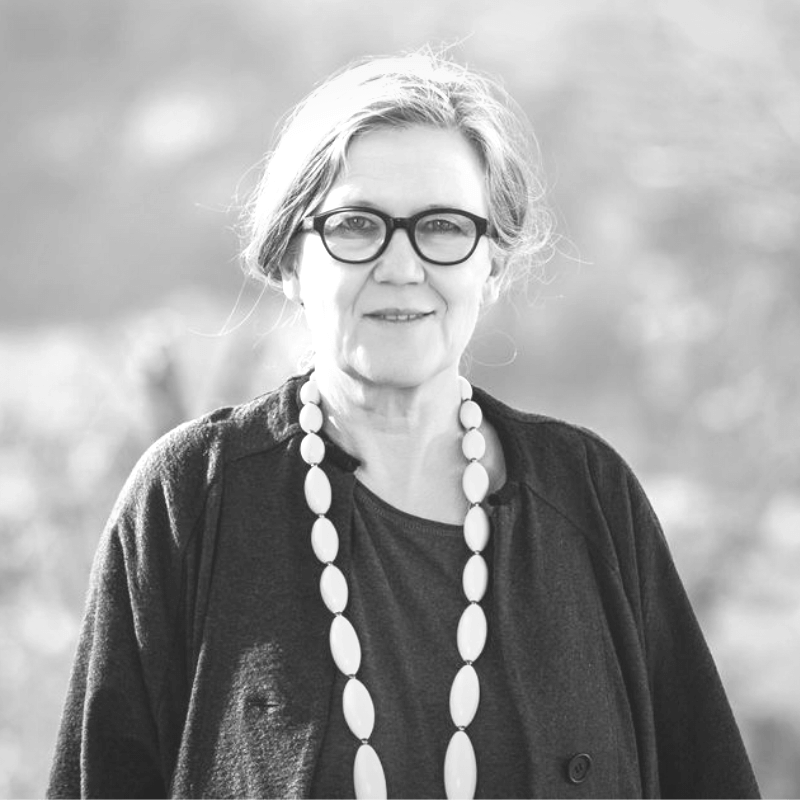
Andrea Laux
Chair of the Board
Ingrid Bregenzer
Board member
Penny Kerrigan
Board member

Susanne Veit
Board member
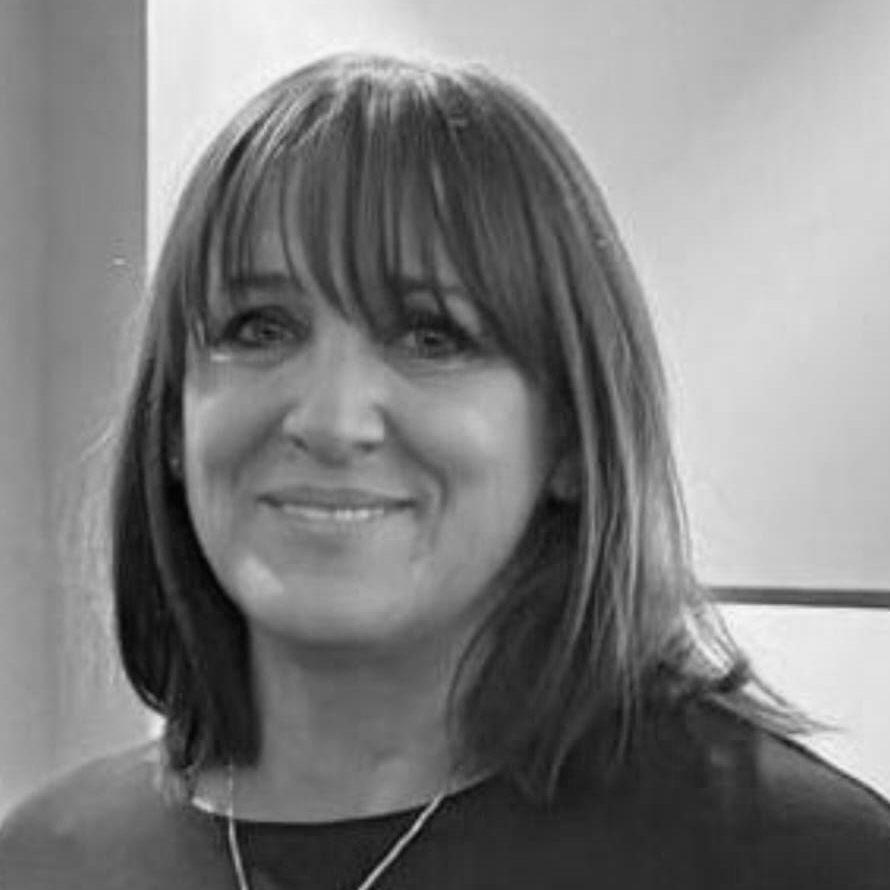
Senada Dzankic
Board member
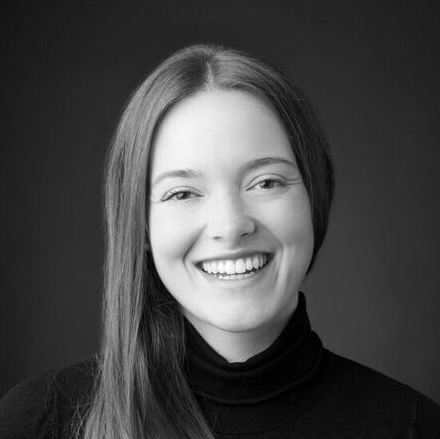
Madlen Lausterer
Public Relations
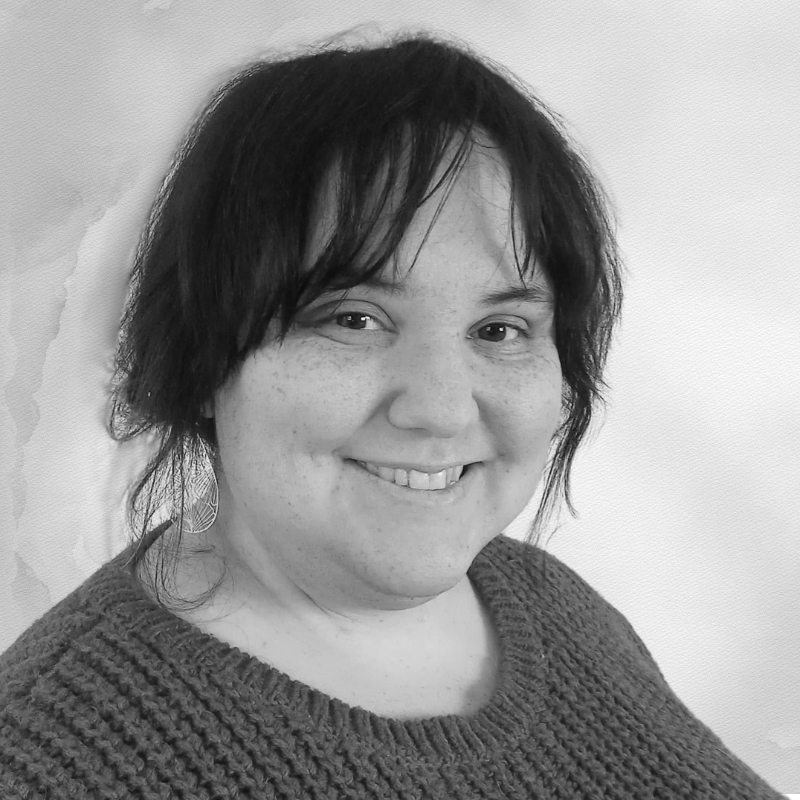
Rachel Castleberg
First point of contact / Assistant Project Coordinator
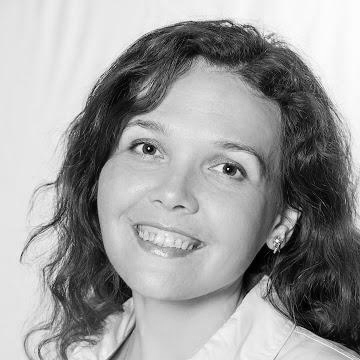
Alyona Kulykova
Volunteer Coordinator for Ukrainian Community Relations
Our stories:
Andrea Laux
My commitment is rooted in the belief that strong communities emerge where people meet, share responsibility, and have the opportunity to shape their own realities. For many years, I have worked at the intersection of social participation, democracy, women’s empowerment, care, and social cohesion.
A particular focus of my work is the reflection and dialogue tool “Ich bin Clara”, which I initiated and co-authored together with two colleagues. “Ich bin Clara” creates spaces for personal and collective learning and encourages people to connect their lived experiences with broader social questions. The tool fosters dialogue, empathy, perspective-taking, and the capacity to navigate transitions and change collectively.
I see myself as a bridge-builder between local experiences and international learning processes, working to ensure that the knowledge and perspectives of women and communities are more strongly reflected in social and political developments.
Through exchanges with women and communities in many countries, I continue to experience how valuable local knowledge, mutual support, and a culture of care are for building democratic and resilient societies.
As a practitioner of Gross National Happiness, I am guided by the question of how we can create conditions in which people, communities, and democracy can flourish together.
Awards
Barbara Künkelin Preis (2020); Federal Cross of Merit (Bundesverdienstkreuz 2002); Order of Merit of the State of Baden-Württemberg (Landesorden Baden-Württemberg 2013 ); Rukeli Trollmann Prize (2025).
For me, such recognition primarily highlights the importance of care work, community building, and civic engagement.
Susanne Veit
My political and professional commitment grew out of this personal journey. Together with two colleagues, we built up the state association in Bavaria. Today, there are around 125 centers in Bavaria alone – which makes me incredibly happy and shows just how vital these places are for families.
I firmly believe that the concept of mothers’ and family centers works because it is so close to real life: open, low-threshold, and driven by community. That is exactly why the concept has spread worldwide.
For me, it was a natural next step to get involved internationally on a voluntary basis and work with MINE. We strengthen mothers and families, empower women, and build strong neighborhoods. In times like these, this is more important than ever.
And I find it simply wonderful to be connected through MINE with people from so many different countries who all share the same goal and the same mindset: that community supports us, that care work must be made visible, and that society only works well when everyone is included.
Penny Kerrigan
Rachel Castleberg
Our Trusted Allies



 English
  German